た.つ
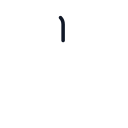
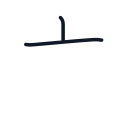
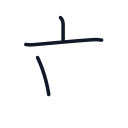
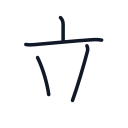
立
stand
U+7ACB
Unicode hex codepoint — a unique identifier for this character in the Unicode standard.
JLPT 4
Japanese-Language Proficiency Test level. N5 is beginner, N1 is the most advanced. This kanji appears at the 4 level.
Grade 1
Japanese school grade level in which this kanji is taught. Grade 1 is first year of elementary school.
5 strokes
Freq #58
Frequency rank among the ~2,500 most common kanji in Japanese newspapers. Lower number = more common.
Heisig #431
Index in James Heisig's "Remembering the Kanji" — a popular textbook that teaches kanji through mnemonics and stories.
Radical #117
Meanings
- stand
- erect
- establish
word
た ta Kun'yomi Kun'yomi (訓読み) — the native Japanese reading of this kanji. Used when the kanji appears alone or with okurigana (trailing hiragana).
たち tachi Kun'yomi Kun'yomi (訓読み) — the native Japanese reading of this kanji. Used when the kanji appears alone or with okurigana (trailing hiragana).
りつ ritsu On'yomi On'yomi (音読み) — the Sino-Japanese reading, derived from Chinese pronunciation. Most commonly used in compound words (jukugo).
独
立
dokuritsu
independence
成
立
seiritsu
establishment
設
立
setsuritsu
establishment
確
立
kakuritsu
establishment
国
立
kokuritsu
national
対
立
tairitsu
confrontation
立
派
rippa
splendid
自
立
jiritsu
independence
立
法
rippou
legislation
私
立
shiritsu
private
公
立
kouritsu
public
中
立
chuuritsu
neutrality
立
ritsu
standing
林
立
rinritsu
standing close together